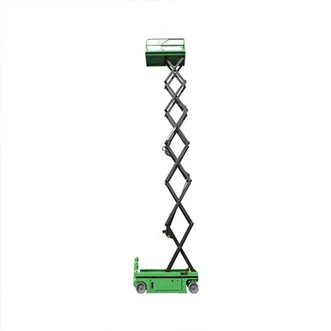
Elevator: A fixed lifting device with a compartment serving a designated floor, running between at least two vertical or rigid guide rails with a tilt angle of less than 15 degrees.
Elevator lifting height: the vertical distance between the bottom end station floor and the top end station floor.
Base station: The landing station where the elevator car stops when there is no instruction to put it into operation.
Inter layer distance: The distance between two adjacent landing gates and sills.
Hoistway width: The horizontal distance between the inner surfaces of the hoistway walls parallel to the width direction of the elevator car.
Depth of shaft: The distance between the walls of the shaft perpendicular to the width direction of the shaft.
Pit depth: The vertical distance between the bottom station floor and the shaft pit floor.
Car width: The horizontal distance between the two inner surfaces of the car wall, measured at a height of 1 meter from the bottom of the car, parallel to the width of the car entrance.
Car depth: The horizontal distance between the two inner surfaces of the car wall, measured at a height of 1 meter from the bottom of the car, perpendicular to the direction of the car width.
Car height: The vertical distance between the floor and the top of the car, measured from the inside of the car (within this distance for the car roof lampshade and detachable ceiling).
Middle door: A landing door or sedan door that opens from the middle of the doorway to the left and right at the same speed.
Side door: Two doors of a landing or car door that open at two different speeds towards the same side.
Left door: A landing door or car door that opens to the left facing the car.
Right door: A landing or car door that opens to the right facing the car.
Vertical split door: A door on a level or car that opens upwards and downwards at the same speed from the middle of the doorway.
Geared traction machine: a traction machine in which an electric motor drives the traction wheel through a reduction gearbox.
Gearless traction machine: a traction machine in which an electric motor directly drives the traction wheel.
Escalator: A fixed electrically driven device with circulating steps used to transport passengers up or down.
Traveling walkway: A fixed electrically driven equipment with a circulating (plate or belt) walkway used for transporting passengers horizontally or at an angle of no more than 12 degrees.
Slant angle: The extreme angle formed by the direction of operation of steps, pedals, or tape and the horizontal plane.
Escalator lifting height: The vertical distance between the bottom plates of two floors at the entrance and exit of the escalator.
Theoretical conveying capacity: The number of people that an escalator or moving sidewalk can theoretically transport per hour.