

Hey there! As a supplier of scissor lift platforms, I know how crucial it is to keep your equipment in top - notch condition. One of the most important parts of a scissor lift platform is its hydraulic system. In this blog, I'll share with you how to check the hydraulic system of a scissor lift platform.
Why Checking the Hydraulic System is Vital
First off, let's talk about why it's so important to check the hydraulic system regularly. The hydraulic system is like the heart of a scissor lift platform. It's responsible for lifting and lowering the platform, and any issues with it can lead to malfunctions, safety hazards, and costly repairs. A well - maintained hydraulic system ensures smooth operation, longer equipment lifespan, and most importantly, the safety of the operators.
Tools You'll Need
Before you start checking the hydraulic system, you'll need a few tools. These include a hydraulic pressure gauge, a fluid level dipstick, a flashlight, a wrench set, and some clean rags. Having these tools ready will make the checking process much easier and more efficient.
Step 1: Check the Hydraulic Fluid Level
The first thing you should do is check the hydraulic fluid level. Low fluid levels can cause the hydraulic pump to overheat and damage the system. To check the fluid level, locate the hydraulic fluid reservoir. It's usually a large tank with a dipstick or a sight glass.
If your scissor lift has a dipstick, pull it out, wipe it clean, and then re - insert it. Pull it out again and check the fluid level. The level should be between the minimum and maximum marks on the dipstick. If it's below the minimum mark, you'll need to add the appropriate hydraulic fluid. Make sure to use the type of fluid recommended by the manufacturer. You can find this information in the equipment's manual.

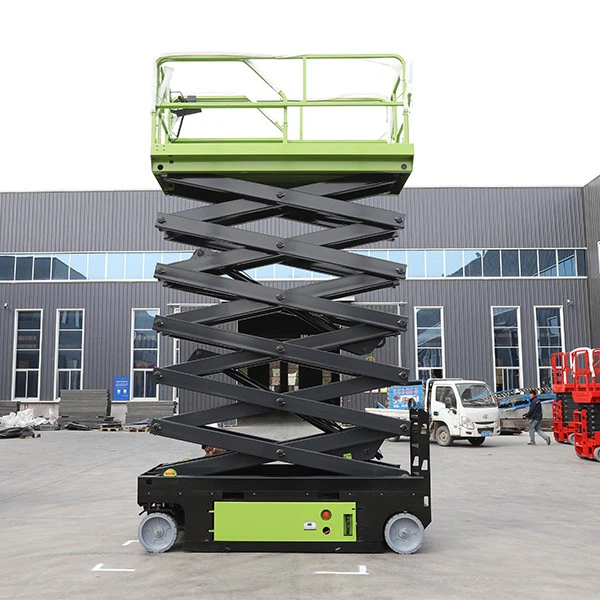
If your scissor lift has a sight glass, simply look at the glass to see the fluid level. It should be visible within the marked range. If the fluid looks dirty or has a milky appearance, it might be contaminated, and you'll need to change it.
Step 2: Inspect the Hydraulic Hoses and Fittings
Next, take a close look at the hydraulic hoses and fittings. These are the pipes and connectors that carry the hydraulic fluid throughout the system. Look for any signs of leaks, such as wet spots, drips, or puddles of fluid around the hoses and fittings. Leaks can not only cause a loss of hydraulic pressure but also pose a fire hazard if the fluid comes into contact with hot surfaces.
Check for any cracks, cuts, or abrasions on the hoses. These can weaken the hoses and lead to leaks. If you find any damaged hoses, they should be replaced immediately. Also, make sure the fittings are tight. Loose fittings can cause fluid to leak out. You can use a wrench to tighten any loose fittings, but be careful not to overtighten them, as this can damage the fittings.
Step 3: Check the Hydraulic Pump
The hydraulic pump is what moves the hydraulic fluid through the system. To check the pump, start the scissor lift and let it run for a few minutes. Listen for any unusual noises coming from the pump. A loud, whining, or grinding noise could indicate a problem with the pump, such as a worn - out bearing or a clogged filter.
You can also use a hydraulic pressure gauge to check the pump's pressure. Connect the gauge to the appropriate port on the hydraulic system, as specified in the equipment's manual. Then, operate the scissor lift to see if the pressure is within the recommended range. If the pressure is too low or too high, there might be an issue with the pump or other components of the system.
Step 4: Examine the Control Valves
The control valves regulate the flow of hydraulic fluid and control the movement of the scissor lift platform. Check the valves for any signs of damage or wear. Look for loose connections, bent or broken parts, or any signs of corrosion.
Operate the control valves to make sure they are functioning properly. The scissor lift should respond smoothly and accurately to the controls. If you notice any delays, jerks, or erratic movements, there could be a problem with the control valves. In this case, it's best to have a professional technician take a look at them.
Step 5: Inspect the Cylinders
The hydraulic cylinders are what actually lift and lower the scissor lift platform. Check the cylinders for any signs of leaks, dents, or scratches. Leaks around the cylinders can cause a loss of lifting power. Dents and scratches can damage the seals inside the cylinders and lead to leaks.
Make sure the cylinders are properly aligned and that the piston rods are moving smoothly. If you notice any binding or resistance when the cylinders are moving, there could be an issue with the alignment or the internal components of the cylinders.
Different Types of Scissor Lift Platforms and Their Hydraulic Systems
We offer a variety of scissor lift platforms, each with its own unique hydraulic system requirements. For example, our Electric Sscissor Lift Platform is powered by electricity and has a more precise and efficient hydraulic system. The electric motor drives the hydraulic pump, which provides smooth and quiet operation.
Our Hydraulic Scissor Lift Platform is a more traditional option. It uses a hydraulic power unit to generate the necessary pressure for lifting. These platforms are known for their high lifting capacity and durability.
And our Mini Scissor Lift Platform is compact and easy to maneuver. Despite its small size, its hydraulic system is designed to be reliable and efficient.
Conclusion
Regularly checking the hydraulic system of your scissor lift platform is essential for its proper operation and safety. By following the steps outlined in this blog, you can identify and address any potential issues before they become major problems.
If you're in the market for a new scissor lift platform or need replacement parts for your existing one, we're here to help. Our team of experts can assist you in choosing the right equipment for your needs and provide you with all the support you need. Don't hesitate to reach out to us for more information or to start a purchase negotiation. We're committed to providing you with high - quality products and excellent service.
References
- Scissor Lift Platform Manufacturer's Manuals
- Hydraulic System Maintenance Guides
