

Hey there! As a supplier of scissor lift platforms, I often get asked about the anti-slip performance of the platform. It's a crucial aspect, especially when it comes to safety on the job. So, I thought I'd share some insights on what exactly the anti-slip performance of a scissor lift platform is and why it matters.
First off, let's talk about why anti-slip performance is so important. When workers are using a scissor lift platform, they need a stable and secure surface to stand on. Whether it's for maintenance work, construction, or any other task that requires working at height, a slippery platform can pose a serious risk. Accidents such as slips, trips, and falls can lead to injuries, which not only affect the workers but also cause delays in the project and can even result in legal issues. So, having a scissor lift platform with good anti-slip performance is essential for the safety and well-being of everyone involved.
Now, what determines the anti-slip performance of a scissor lift platform? There are a few key factors to consider.
Surface Material
The material of the platform surface plays a significant role in its anti-slip properties. Most scissor lift platforms come with either a steel or aluminum surface. Steel surfaces are often coated with a special anti-slip paint or texture. This coating creates a rough surface that provides better traction for workers' feet. Aluminum surfaces, on the other hand, can be treated with an anodizing process or have a non-slip pattern embossed on them.
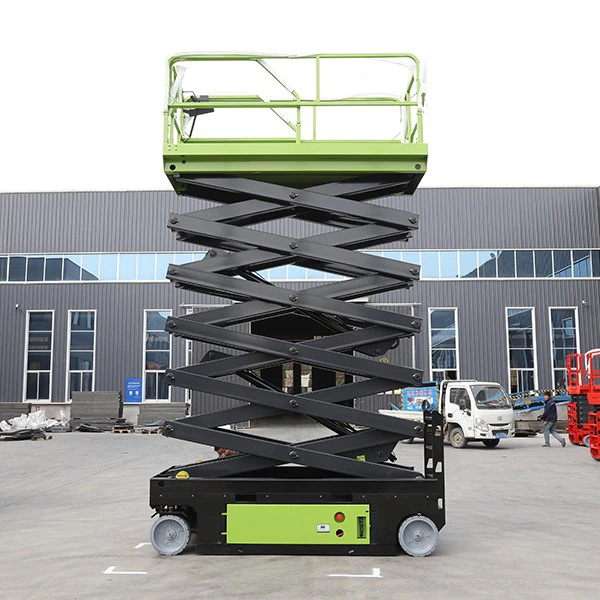
For example, some of our Self Propelled Scissor Lift models feature an aluminum platform with a unique diamond plate pattern. This pattern increases the friction between the worker's shoes and the platform, reducing the risk of slipping. The diamond plate design not only looks cool but also provides excellent anti-slip performance, even in wet or dirty conditions.
Surface Condition
The condition of the platform surface also affects its anti-slip performance. Over time, the surface can get worn out, especially in high-traffic areas. Dirt, grease, and other debris can also accumulate on the platform, making it slippery. Regular cleaning and maintenance are essential to keep the anti-slip properties of the platform intact.
We recommend using a mild detergent and a soft brush to clean the platform regularly. Avoid using abrasive cleaners or tools that can damage the anti-slip coating or texture. If the platform surface shows signs of significant wear or damage, it may need to be re-coated or replaced to ensure optimal anti-slip performance.
Environmental Factors
The environment in which the scissor lift platform is used can also impact its anti-slip performance. In wet conditions, such as rain or snow, the risk of slipping is much higher. That's why it's important to choose a scissor lift platform with a surface that can provide good traction even when wet.
Some of our Hydraulic Scissor Lift Platform models are designed with a special anti-slip surface that is highly effective in wet conditions. The surface has tiny grooves and channels that help to drain water away, reducing the risk of hydroplaning. This is especially important for outdoor applications where the platform may be exposed to the elements.
In addition to wet conditions, other environmental factors such as dust, oil, and chemicals can also affect the anti-slip performance of the platform. If the platform is used in an environment where these substances are present, it's important to take extra precautions to keep the surface clean and dry.
Testing and Standards
To ensure that our scissor lift platforms meet the highest safety standards, we conduct rigorous testing of the anti-slip performance of the platform surfaces. There are several industry standards and regulations that define the minimum requirements for anti-slip surfaces on industrial equipment, including scissor lift platforms.
One of the most commonly used standards is the ASTM F1677-05, which measures the coefficient of friction of a surface. A higher coefficient of friction indicates better anti-slip performance. Our platforms are designed to meet or exceed the requirements of this standard, providing our customers with a safe and reliable working environment.
Choosing the Right Scissor Lift Platform
When choosing a scissor lift platform, it's important to consider the anti-slip performance of the platform surface. Look for a platform that has a high-quality anti-slip coating or texture and is designed to perform well in the specific environment where it will be used.
If you're working in a wet or outdoor environment, a platform with a special anti-slip surface for wet conditions may be the best choice. For indoor applications, a standard anti-slip coating may be sufficient. Also, consider the size and weight capacity of the platform, as well as other features such as mobility and ease of use.
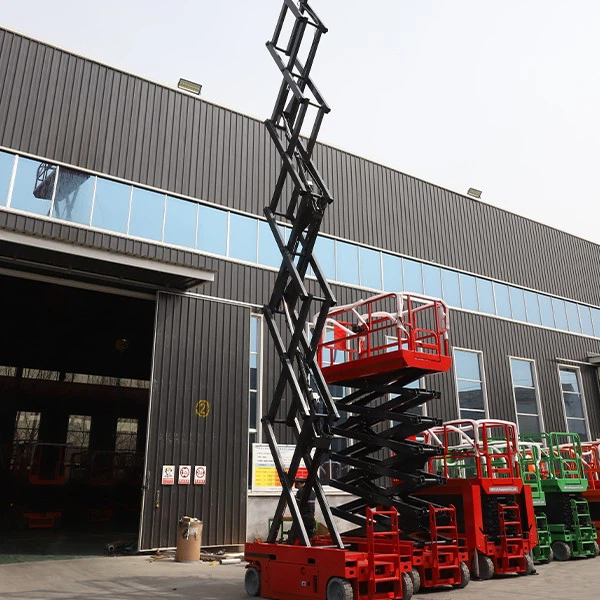
We offer a wide range of scissor lift platforms, including Self-Mobile Manlift, to meet the needs of different industries and applications. Whether you're a small business or a large construction company, we have the right scissor lift platform for you.
Conclusion
In conclusion, the anti-slip performance of the platform of a scissor lift platform is a critical factor in ensuring the safety of workers. By choosing a platform with a high-quality anti-slip surface, performing regular maintenance, and considering the environmental factors, you can minimize the risk of slips, trips, and falls.
If you're in the market for a scissor lift platform and want to learn more about our products, feel free to reach out to us. We're here to help you find the right solution for your needs. Whether you have questions about anti-slip performance or any other aspect of our scissor lift platforms, don't hesitate to contact us for a consultation. We look forward to working with you and helping you keep your workers safe on the job.
References
- ASTM F1677 - 05 Standard Test Method for Using a Portable Inclineable Articulated Strut Slip-Resistance Tester
