

As a supplier of all terrain boom lifts, I often get asked about the importance of brake testing and how to do it properly. Brakes are a critical safety component of any all terrain boom lift, and regular testing is essential to ensure the safety of operators and those working in the vicinity. In this blog, I'll share some insights on how to test the brakes of an all terrain boom lift.
Why Brake Testing is Important
Let's face it, all terrain boom lifts are used in various challenging environments, from construction sites to industrial facilities. In these settings, the ability to stop the lift quickly and safely is crucial. Faulty brakes can lead to accidents, injuries, and even fatalities. By regularly testing the brakes, you can identify potential issues early on and take corrective action before they turn into serious problems.
Pre - Test Preparation
Before you start testing the brakes, there are a few things you need to do. First, make sure the all terrain boom lift is in a safe and stable position. This means parking it on a level surface and engaging the outriggers if necessary. Next, check the brake fluid level. Low brake fluid can indicate a leak or worn brake components. You should also visually inspect the brake lines for any signs of damage, such as cracks or leaks. Also, gather all the necessary tools for the test, including a test gauge if required.
Static Brake Test
The static brake test is the first step in the brake testing process. Here's how you do it:
- Engage the parking brake. Make sure it holds the lift securely in place. You can do this by attempting to gently rock the lift back and forth. If the lift moves, the parking brake may not be functioning correctly.
- Check the service brakes. With the lift stopped, activate the service brakes. You should feel a firm resistance when you press the brake pedal. If the pedal goes all the way to the floor or feels spongy, there may be a problem with the brake system, such as air in the lines or worn brake pads.
Dynamic Brake Test
The dynamic brake test assesses the performance of the brakes while the lift is in motion. This test should only be conducted in a controlled and safe environment, such as an empty parking lot or a closed - off section of a worksite.
- Start the all terrain boom lift and drive it at a slow, steady speed. You don't need to go fast; a speed of around 5 - 10 miles per hour is sufficient.
- Apply the service brakes firmly and gradually. The lift should come to a smooth and controlled stop. Pay attention to how the lift behaves during braking. If it pulls to one side, there could be an issue with the brake balance.
- Repeat the test a few times to ensure consistent performance. Also, listen for any unusual noises, such as grinding or squealing, which could indicate worn brake pads or other problems.
Hydraulic Brake System Testing
Many all terrain boom lifts are equipped with hydraulic brake systems. Testing these systems requires a bit more technical knowledge.
- Check the hydraulic pressure. You'll need a hydraulic pressure gauge for this. The pressure should be within the manufacturer's specified range. If the pressure is too low, it could indicate a leak in the hydraulic system or a problem with the pump.
- Inspect the hydraulic cylinders. Look for any signs of leakage around the cylinders. Leaking hydraulic fluid can reduce the effectiveness of the brakes and may also pose a safety hazard.
Emergency Brake Testing
The emergency brake is a crucial safety feature on an all terrain boom lift. To test it:
- First, make sure the lift is stationary and on a level surface.
- Activate the emergency brake. In most cases, there will be a manual lever or button to engage it.
- Try to move the lift. If the emergency brake is working correctly, the lift should not move.
Post - Test Actions
After completing the brake tests, it's important to record the results. This record can be useful for future maintenance and inspections. If you found any issues during the test, address them immediately. This may involve replacing worn brake pads, repairing brake lines, or adjusting the brake system.
Conclusion
Testing the brakes of an all terrain boom lift is not just a routine maintenance task; it's a vital safety measure. By following these steps, you can help ensure that your all terrain boom lift's brakes are in good working condition.
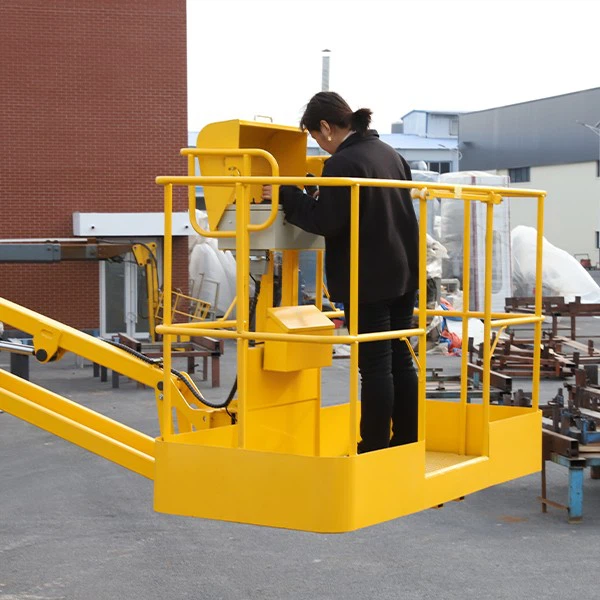

As a supplier of All Terrain Boom Lift, I understand the importance of reliable equipment. If you're in the market for a new all terrain boom lift or need any advice on maintenance and testing, don't hesitate to reach out for a free consultation. We also offer Genie Boom Lift and Articulating Boom Lift models, each designed to meet different needs. Whether you're a small - scale contractor or a large industrial company, we have the right solution for you. Contact us today to start the procurement discussion and find the perfect boom lift for your operations.
References
- Manufacturer's operation and maintenance manuals for all terrain boom lifts.
- Industry safety standards and guidelines for aerial work platforms.
