

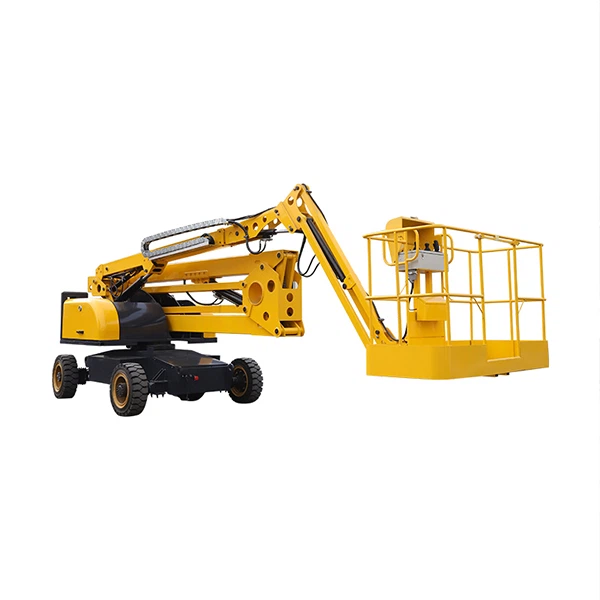
The lifespan of a self-mobile arm lift is a crucial consideration for both rental companies and end-users in various industries such as construction, maintenance, and warehousing. As a supplier of self-mobile arm lifts, I have witnessed firsthand the importance of understanding the factors that influence their longevity. In this blog post, I will delve into the elements that determine the lifespan of a self-mobile arm lift, provide insights on how to extend its service life, and offer guidance on when it might be time to consider a replacement.
Factors Affecting the Lifespan of a Self-Mobile Arm Lift
1. Quality of Manufacturing
The foundation of a long - lasting self-mobile arm lift lies in its manufacturing quality. High - end models from reputable manufacturers are built with superior materials and precision engineering. For instance, Genie Boom Lift is well - known for its robust construction. These lifts are designed to withstand the rigors of daily use, with components that are less likely to wear out prematurely. The frames are often made from high - strength steel, and the hydraulic systems are engineered for optimal performance and durability.
2. Frequency and Intensity of Use
The more frequently and intensively a self-mobile arm lift is used, the shorter its lifespan is likely to be. In a busy construction site where the lift is in operation for long hours every day, the wear and tear on its components will be much greater compared to a lift that is used only occasionally for light maintenance tasks. Heavy - duty applications, such as lifting large and heavy loads to great heights, put additional stress on the lift's hydraulic system, motors, and structural components.
3. Maintenance and Servicing
Regular maintenance is the key to extending the lifespan of a self-mobile arm lift. This includes routine inspections, lubrication of moving parts, hydraulic fluid checks and changes, and replacement of worn - out components. A well - maintained lift can last significantly longer than one that is neglected. For example, if the hydraulic hoses are not inspected regularly, a small leak can lead to major hydraulic system failures over time. By following the manufacturer's recommended maintenance schedule, operators can catch potential problems early and prevent costly breakdowns.
4. Operating Environment
The environment in which a self-mobile arm lift operates also plays a significant role in its lifespan. Lifts used in harsh outdoor environments, such as in mines or coastal areas, are exposed to extreme temperatures, dust, saltwater, and other corrosive elements. These conditions can accelerate the corrosion of metal components and damage electrical systems. On the other hand, lifts used in clean, indoor warehouses have a more favorable operating environment and are likely to have a longer lifespan.

5. Operator Skill and Training
The skill and training of the operator can have a profound impact on the lifespan of a self-mobile arm lift. A well - trained operator knows how to operate the lift safely and efficiently, avoiding unnecessary stress on the components. For example, an inexperienced operator may over - load the lift or make sudden, jerky movements, which can cause excessive wear on the lift's mechanical and hydraulic systems.
Estimating the Lifespan of a Self-Mobile Arm Lift
On average, a well - maintained self-mobile arm lift can last between 10 to 20 years. However, this is a very rough estimate, and the actual lifespan can vary widely depending on the factors mentioned above.
For light - duty, occasional use in a favorable environment with proper maintenance, a self-mobile arm lift may last up to 20 years or more. These lifts are typically used for tasks such as changing light bulbs in a commercial building or performing minor maintenance work.
In contrast, heavy - duty lifts used in demanding construction or industrial applications may have a lifespan of around 10 to 15 years. The constant stress on the components in these environments makes it more challenging to maintain the lift in top - notch condition over an extended period.
Extending the Lifespan of a Self-Mobile Arm Lift
1. Implement a Rigorous Maintenance Program
As mentioned earlier, regular maintenance is essential. This should include daily pre - use checks, weekly inspections, and monthly or quarterly in - depth servicing. Keep detailed records of all maintenance activities, including component replacements and fluid changes. This not only helps in ensuring the lift's safety and performance but also provides valuable information when it comes to reselling or trading in the lift.
2. Train Operators Properly
Invest in comprehensive operator training programs. Ensure that all operators are familiar with the lift's controls, safety features, and operating limits. Encourage operators to report any unusual noises, vibrations, or performance issues immediately so that they can be addressed promptly.
3. Store the Lift Properly
When the lift is not in use, store it in a dry, sheltered area. This protects it from the elements and reduces the risk of corrosion. If possible, cover the lift with a protective tarp to prevent dust and debris from accumulating on its components.
4. Upgrade Components as Needed
Over time, certain components of the lift may become obsolete or less efficient. Consider upgrading these components to improve the lift's performance and extend its lifespan. For example, upgrading the hydraulic pump or control system can enhance the lift's functionality and reduce the risk of breakdowns.
When to Replace a Self-Mobile Arm Lift
There comes a time when it is more cost - effective to replace a self-mobile arm lift rather than continue to repair it. Here are some signs that it may be time for a replacement:
1. Frequent and Costly Repairs
If the lift is requiring frequent repairs, and the cost of these repairs is becoming prohibitive, it may be more economical to invest in a new lift. For example, if the hydraulic system has failed multiple times, and the cost of replacing the pump, hoses, and valves is approaching the cost of a new lift, it is a clear indication that a replacement is in order.
2. Obsolete Technology
As technology advances, older lifts may become less efficient and more difficult to maintain. Newer models often come with advanced safety features, better energy efficiency, and improved performance. If your lift is using outdated technology that is no longer supported by the manufacturer or is causing operational inefficiencies, it may be time to upgrade.
3. Excessive Wear on Structural Components
If the lift's structural components, such as the boom or frame, show signs of excessive wear, corrosion, or damage, it can pose a serious safety risk. In such cases, replacement is the safest option.
As a supplier of Self-Mobile Arm Lift, I understand the importance of providing high - quality, long - lasting equipment. Whether you are looking for a lift for light - duty or heavy - duty applications, we have a wide range of options to suit your needs. Our All Terrain Boom Lift is designed to perform in challenging environments, offering superior performance and durability.
If you are interested in purchasing a self - mobile arm lift or need more information about our products, we invite you to contact us for a consultation. Our team of experts is ready to assist you in selecting the right lift for your specific requirements and providing guidance on its maintenance and operation.
References
- Manufacturer's manuals for self - mobile arm lifts
- Industry standards and guidelines for lift maintenance and operation
- Case studies on the lifespan of self - mobile arm lifts in different industries
