

As a self - propelled lift supplier, I understand the importance of ensuring that these valuable pieces of equipment are transported safely and efficiently. A self - propelled lift is a complex and often heavy machine used for various applications such as construction, maintenance, and warehousing. The trailer used for transporting it must meet specific requirements to prevent damage to the lift and ensure the safety of everyone involved in the transportation process.
1. Trailer Capacity
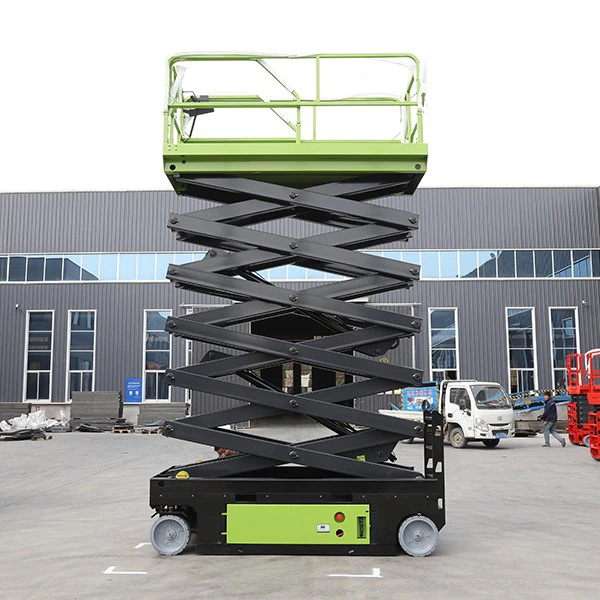
The first and most crucial requirement for the trailer is its capacity. The trailer must be able to support the weight of the self - propelled lift. Self - propelled lifts come in different sizes and weights. For example, a Small Scissor Lift Platform is generally lighter compared to a Hydraulic Scissor Lift Platform or an Aerial Work Paltform.
Before choosing a trailer, it is essential to know the exact weight of the lift, including any additional attachments or tools that might be on it during transportation. The trailer's payload capacity should be higher than the total weight of the lift to ensure safe transportation. Overloading a trailer can lead to serious problems such as tire blowouts, brake failure, and structural damage to the trailer.
2. Trailer Dimensions
The dimensions of the trailer are also of great importance. The length, width, and height of the trailer should be sufficient to accommodate the self - propelled lift. The lift should fit comfortably on the trailer without overhanging too much on the sides or the front and back.
A proper fit ensures that the lift is stable during transportation. If the lift is too large for the trailer, it may shift during transit, which can cause damage to the lift and pose a safety risk on the road. On the other hand, if the trailer is too large, it may be more difficult to secure the lift properly.
3. Trailer Structure and Construction
The trailer's structure and construction must be strong and durable. It should be able to withstand the weight of the self - propelled lift and the stresses of transportation. The frame of the trailer should be made of high - quality steel or other strong materials.
The deck of the trailer should be flat and free of any protrusions or uneven surfaces that could damage the lift. Additionally, the trailer should have a proper suspension system to absorb shocks and vibrations during transportation. A good suspension system helps to keep the lift stable and reduces the risk of damage.
4. Braking System
A reliable braking system is essential for a trailer used to transport a self - propelled lift. The braking system should be able to stop the trailer and the lift safely, especially when traveling downhill or in emergency situations.
There are different types of braking systems available for trailers, such as electric brakes and hydraulic brakes. The type of braking system chosen should be appropriate for the weight and size of the trailer and the lift. It is also important to ensure that the braking system is well - maintained and in good working condition before each transportation.
5. Tie - Down Points
The trailer must have adequate tie - down points to secure the self - propelled lift. Tie - down points are used to attach straps or chains to the lift and the trailer, preventing it from moving during transportation.
The number and location of tie - down points should be carefully considered. There should be enough tie - down points to secure the lift firmly from multiple angles. The tie - down points should be strong and able to withstand the forces exerted on them during transportation.
6. Lighting System
A proper lighting system is crucial for a trailer used for transporting a self - propelled lift. The trailer should have working headlights, taillights, brake lights, and turn signals. These lights are essential for visibility on the road, especially at night or in low - light conditions.
A well - functioning lighting system helps other drivers to see the trailer and the lift, reducing the risk of accidents. It is important to check the lighting system regularly to ensure that all the lights are working properly.
7. Loading and Unloading Equipment
The trailer should be equipped with appropriate loading and unloading equipment. This may include ramps, winches, or other devices that make it easier to load and unload the self - propelled lift.
The ramps should be strong enough to support the weight of the lift and have a non - slip surface to prevent accidents during loading and unloading. Winches can be used to pull the lift onto the trailer, especially if the lift has limited mobility.
8. Compliance with Regulations
The trailer must comply with all relevant transportation regulations. These regulations may vary depending on the region or country where the transportation is taking place.
Some common regulations include requirements for trailer registration, safety equipment, and weight limits. It is the responsibility of the transporter to ensure that the trailer and the transportation process comply with all applicable regulations. Failure to comply with regulations can result in fines and other penalties.
9. Maintenance and Inspection
Regular maintenance and inspection of the trailer are essential to ensure its safe operation. Before each transportation, the trailer should be inspected for any signs of damage or wear and tear.
This includes checking the tires, brakes, lighting system, and tie - down points. Any issues should be addressed immediately to prevent problems during transportation. Additionally, the trailer should be maintained according to the manufacturer's recommendations, including regular oil changes, lubrication, and other maintenance tasks.

Conclusion
Transporting a self - propelled lift requires a trailer that meets specific requirements. From capacity and dimensions to structure, braking system, and compliance with regulations, every aspect of the trailer is important for safe and efficient transportation.
As a self - propelled lift supplier, I recommend that customers carefully consider these requirements when choosing a trailer for transporting their lifts. If you have any questions about self - propelled lifts or the transportation requirements, please feel free to contact us for more information and to discuss your procurement needs. We are here to provide you with the best solutions for your lifting equipment needs.
References
- General knowledge of self - propelled lift transportation and trailer requirements from industry experience.
- Safety regulations and standards related to trailer transportation in the relevant regions.
