

Hey there! I'm a supplier of DIY home elevators, and I often get asked if these elevators can be used by disabled people. Well, let's dive right into this topic and figure it all out.
First off, the idea of a DIY home elevator is pretty cool. It gives homeowners the chance to install an elevator on their own terms, saving some bucks in the process. And when it comes to disabled folks, having an elevator at home can be a game - changer. It can provide them with the freedom and independence to move between floors without relying on others constantly.
Let's talk about the features of our Diy Home Elevator. These elevators are designed with user - friendliness in mind. They usually come with simple controls that are easy to operate. Even if someone has limited mobility or dexterity, they can still manage to use the elevator. For example, the control panel might have large buttons with clear markings. This way, a person with visual impairments or shaky hands can easily press the right button to go up or down.
Another important aspect is the size of the elevator car. Our DIY home elevators are available in different sizes. We understand that disabled people might use wheelchairs, walkers, or other mobility aids. So, we offer models with spacious interiors that can comfortably accommodate these devices. This ensures that a person in a wheelchair can enter and exit the elevator without any hassle.
Safety is always a top priority, especially when it comes to disabled users. Our elevators are equipped with multiple safety features. There are emergency stop buttons that can be easily reached from anywhere inside the elevator. In case of any problem, the user can quickly stop the elevator. Additionally, there are sensors that detect obstacles in the door path. If something is blocking the door, the elevator won't close, preventing any potential injuries.
Now, let's consider the installation process. One might think that a DIY elevator could pose a problem in terms of proper installation for disabled - friendly use. But our Diy Home Elevator comes with detailed instructions. Even if you're not a professional installer, you can follow these steps to set up the elevator correctly. And if you have any questions during the installation, our customer support team is always ready to help.
We also offer different types of DIY home elevators, like the Best Shaftless Home Elevator. This is a great option for homes where building a shaft might be difficult or expensive. The shaftless design doesn't compromise on safety or functionality. It can still be used by disabled people just as effectively as a traditional elevator. It takes up less space, which is an added bonus for smaller homes.
For those who prefer a more integrated look, we have the Built In Home Elevator. This type of elevator can be seamlessly incorporated into the home's architecture. It provides a smooth and quiet ride, which is important for the comfort of disabled users. The built - in design also means it can be customized to match the home's interior, making it a stylish addition as well as a practical one.
However, it's important to note that while our DIY home elevators are suitable for many disabled people, each individual's situation is unique. Some people with very specific disabilities might need additional modifications or features. For example, someone with severe hearing impairments might require a visual signal system in the elevator to indicate when it has reached the desired floor. In such cases, we can work with the customer to make the necessary adjustments.
We've had many customers who are disabled or have family members with disabilities. They've shared their experiences with us, and the feedback has been overwhelmingly positive. One customer, Mr. Johnson, said that after installing our DIY home elevator, his wife, who uses a wheelchair, was able to move freely between the floors of their two - story house. It really improved their quality of life.

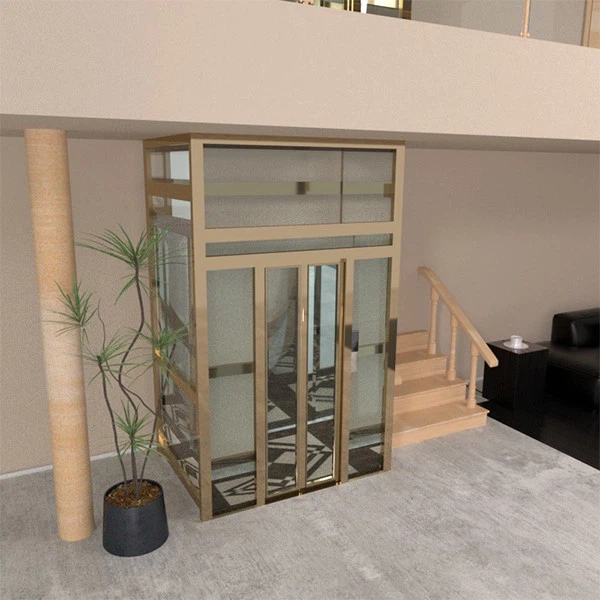
In conclusion, DIY home elevators can definitely be used by disabled people. They offer a practical, cost - effective, and user - friendly solution for enhancing mobility at home. If you're considering getting a home elevator for a disabled family member or friend, or even for yourself if you have a disability, our DIY home elevators are a great option.
If you're interested in learning more or making a purchase, don't hesitate to reach out. We're here to answer all your questions, provide you with more detailed information about our products, and guide you through the purchasing process. We look forward to helping you improve the accessibility of your home.
References
- Industry standards and guidelines for home elevator safety and accessibility.
- Customer testimonials and feedback from disabled users and their families.
