

Hey there! As a supplier of household elevators, I often get asked about the weight capacity of typical home elevators. It's a super important question, especially when you're thinking about installing one in your place. So, let's dig into this topic and find out what you need to know.
First off, what exactly determines the weight capacity of a household elevator? Well, there are a few key factors. The design and construction of the elevator play a huge role. Different types of elevators are built to handle different loads. For example, Hydraulic Residential Elevator use a hydraulic system to lift the cab. These are known for their smooth operation and can usually handle a decent amount of weight. They're built with strong materials and a well - engineered hydraulic mechanism that can support heavier loads compared to some other types.
On the other hand, the size of the elevator cab also matters. A larger cab can generally hold more weight. But it's not just about the physical space; it's also about how the weight is distributed. Elevator manufacturers design the structure of the cab to evenly distribute the load to prevent any stress points that could cause problems.
Now, let's talk about the typical weight capacities you'll find in household elevators. Most standard home elevators have a weight capacity ranging from 500 to 1500 pounds. A smaller, more compact Homeuse Personal Lift might have a capacity of around 500 - 700 pounds. These are great for single - person use or for light loads like carrying a small piece of furniture. They're often used in smaller homes or for situations where space is limited.
If you have a bigger family or need to move heavier items like large appliances, you'll probably want an elevator with a higher capacity. Elevators with a capacity of 1000 - 1500 pounds are more suitable for these scenarios. They can comfortably accommodate several people at once or handle the weight of a large piece of furniture being moved between floors.
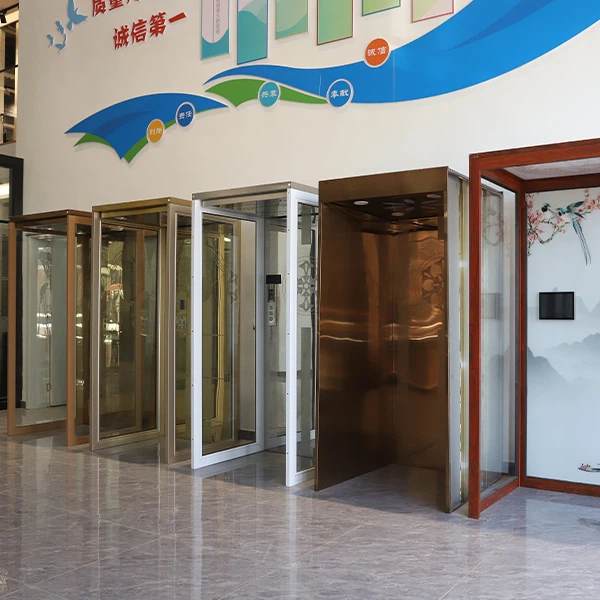

It's also important to consider the safety margins. Elevator manufacturers don't just build elevators to the exact weight capacity. They usually have a safety factor built in. This means that even if you're close to the stated weight capacity, the elevator is designed to handle a little extra without any issues. But it's still a good idea not to push the limits too often. Overloading an elevator can not only damage the equipment but also pose a serious safety risk.
When you're choosing a household elevator, you need to think about your specific needs. If you have elderly or disabled family members, you might want to consider an elevator with a higher capacity to accommodate mobility aids like wheelchairs or scooters. A standard wheelchair can weigh anywhere from 30 to 50 pounds, and an electric scooter can be even heavier. So, factoring in these additional weights is crucial.
Another thing to keep in mind is the future. You might not need to carry heavy items right now, but your needs could change over time. Maybe you'll decide to renovate your home and need to move large building materials. Or your family might grow, and you'll have more people using the elevator. So, it's a good idea to choose an elevator with a slightly higher capacity than you currently need.
Now, let's touch on the installation process and how it relates to weight capacity. The installation of a household elevator is a complex process that requires careful planning. The building structure needs to be able to support the weight of the elevator, including the cab, the counterweights (if it has them), and the maximum load. A professional installer will assess the structural integrity of your home and make any necessary modifications to ensure that it can handle the elevator safely.
In addition to the physical structure of your home, the electrical system also needs to be considered. Elevators require a significant amount of power, especially those with higher weight capacities. The electrical wiring needs to be able to handle the load without overheating or causing other electrical problems.
When it comes to maintenance, the weight capacity can also affect how often and what kind of maintenance is required. Elevators that are regularly used at or near their maximum capacity might need more frequent inspections and maintenance. The moving parts, such as the cables, pulleys, and hydraulic systems, can wear out faster under heavy loads. So, it's important to follow the manufacturer's maintenance schedule to keep your elevator in top condition.
If you're in the market for a household elevator, you might be wondering where to find the right one. You can check out Home Elevator Amazon for a variety of options. There, you can compare different models, read reviews from other customers, and get an idea of what's available in the market. But remember, buying an elevator is a big investment, and it's important to do your research and choose a reliable supplier.
As a household elevator supplier, I can tell you that we're here to help you make the right choice. We have a wide range of elevators with different weight capacities to suit your needs. Whether you're looking for a small, compact elevator for a single - person use or a large - capacity elevator for a big family, we've got you covered.
If you're interested in learning more about our products or have any questions about weight capacity or other features, don't hesitate to reach out. We can provide you with detailed information, help you choose the right elevator for your home, and guide you through the installation process. Making the decision to install a household elevator is a big step, but with the right information and support, it can be a great addition to your home.
So, if you're ready to take the plunge and get a household elevator, let's start the conversation. We're here to assist you every step of the way, from choosing the right elevator to ensuring its safe and proper installation. Contact us today to discuss your needs and find the perfect household elevator for you.
References:
- Industry standards for elevator design and safety.
- Manufacturer specifications for various household elevator models.
