

Hey there! As a supplier of home elevator kits, I often get asked about the speed of these nifty devices. People are curious, and rightfully so. After all, the speed of a home elevator kit can make a big difference in how convenient and efficient it is to use. So, let's dive into this topic and figure out what the speed of a home elevator kit really means.
First off, it's important to understand that the speed of a home elevator kit isn't like the speed of a high - rise commercial elevator. In a big office building or a skyscraper, elevators can zoom up and down at breakneck speeds, sometimes reaching several meters per second. But for home elevators, the situation is a bit different.
Home elevator kits are designed mainly for residential use. They're meant to move people between a few floors in a house, usually no more than three or four. So, the speed requirements aren't as extreme as in commercial settings. A typical speed for a home elevator kit ranges from about 0.15 to 0.3 meters per second. That might not sound like much, but it's actually quite sufficient for most home applications.
Why is the speed kept relatively low? Well, there are a few reasons. Safety is the number one concern. In a home environment, you want to make sure that the elevator operates smoothly and gently. A slower speed reduces the risk of sudden stops or jerks, which could be dangerous, especially for elderly or disabled users. Also, slower speeds mean less wear and tear on the elevator components. This translates to lower maintenance costs and a longer lifespan for the elevator.
Another factor to consider is noise. Faster elevators tend to generate more noise due to the increased mechanical stress and movement. In a home, you don't want a noisy elevator disturbing the peace. A slower - moving elevator kit is generally quieter, which is a big plus for a comfortable living environment.
Now, let's talk about how the speed of a home elevator kit is determined. It depends on several factors, including the type of elevator system. There are different types of home elevator kits available, such as hydraulic, traction, and pneumatic systems.
Hydraulic home elevator kits are quite popular. They use a hydraulic pump to move the elevator car up and down. The speed of a hydraulic home elevator is usually on the slower side, typically around 0.15 to 0.2 meters per second. This is because the hydraulic system operates by pushing a piston to lift the elevator, and this process is relatively slow but very reliable. You can check out some great Small Elevators for Homes on our website.
Traction home elevator kits, on the other hand, use a system of ropes and pulleys. They can be a bit faster than hydraulic elevators, with speeds ranging from 0.2 to 0.3 meters per second. Traction elevators are known for their smooth operation and can handle heavier loads, making them a good choice for larger homes or if you need to move bulky items like furniture.
Pneumatic home elevator kits are a newer technology. They use air pressure to move the elevator car. These elevators can have variable speeds, but they're often in the range of 0.15 to 0.25 meters per second. Pneumatic elevators are known for their compact design and easy installation, and their speed is well - suited for home use. You can find more information about Homeuse Personal Lift on our site.
The size and weight capacity of the elevator also play a role in determining its speed. A larger elevator car that can carry more weight will generally move more slowly. This is because the motor and other components have to work harder to lift the heavier load. So, if you're looking for a faster elevator, you might want to consider a smaller - capacity model.
Another thing to keep in mind is that the speed of a home elevator kit can be adjusted to some extent. Some elevator systems come with adjustable speed settings, allowing you to customize the elevator's performance according to your needs. However, it's important to make these adjustments within the manufacturer's recommended limits to ensure safety and proper operation.
Now, you might be wondering if a faster home elevator kit is always better. The answer is not necessarily. While a faster elevator can save you a bit of time, it's not always worth sacrificing safety, comfort, and reliability. As I mentioned earlier, slower speeds offer many advantages in a home setting. So, it's all about finding the right balance for your specific situation.
If you're in the market for a home elevator kit, you should also think about your future needs. For example, if you plan to age in place or have family members with mobility issues in the future, a slower, safer elevator might be the best choice. On the other hand, if you have a large family and need to move people quickly between floors, you might want to consider a slightly faster model.
As a supplier of Home Elevator Kit, I can tell you that we offer a wide range of options to meet different needs and budgets. Whether you're looking for a slow and steady hydraulic elevator or a slightly faster traction model, we've got you covered.
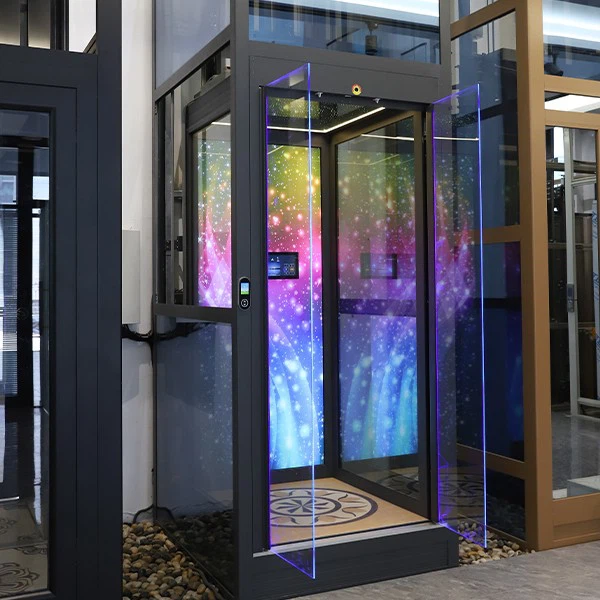

We understand that choosing a home elevator kit is a big decision. That's why our team of experts is always here to help you. We can answer all your questions about elevator speed, types, and installation. We'll work with you to find the perfect elevator kit for your home.
If you're interested in learning more about our home elevator kits or have any questions about the speed or other features, don't hesitate to reach out. We're eager to start a conversation with you and help you make the right choice for your home. Whether it's a small elevator for a cozy home or a larger capacity elevator for a big family, we have the solutions you need. So, let's get the ball rolling and find the ideal home elevator kit for you!
References:
- General knowledge about home elevator technology and industry standards.
- Manufacturer specifications and guidelines for different types of home elevator kits.
