

Hey there! As a supplier of towable boom lifts, I often get asked about the maximum towing speed for these nifty machines. It's a crucial question, especially if you're planning to move your towable boom lift from one job site to another. In this blog, I'll break down everything you need to know about the maximum towing speed for a towable boom lift.
What's a Towable Boom Lift Anyway?
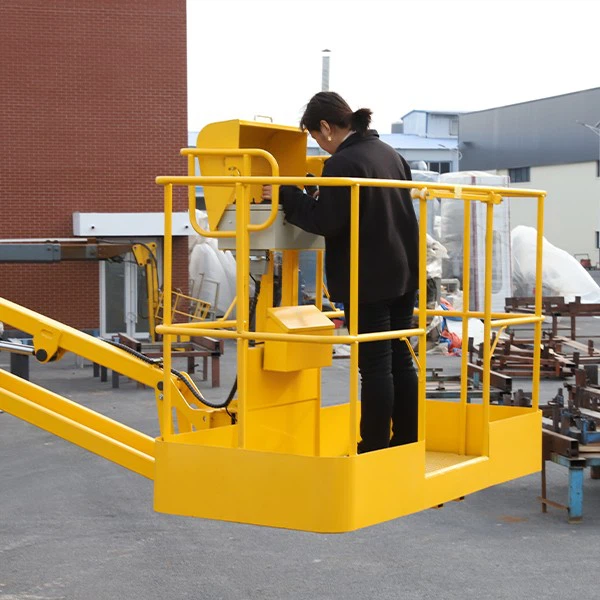
Before we dive into the towing speed, let's quickly talk about what a towable boom lift is. A towable boom lift, as the name suggests, is a type of aerial work platform that can be towed behind a vehicle. It's a great option for contractors and workers who need to access elevated areas at different locations. You can check out our range of Towable Boom Lift on our website. These lifts are known for their portability and versatility, making them a popular choice in various industries like construction, maintenance, and tree trimming.
Factors Affecting the Maximum Towing Speed
There isn't a one - size - fits - all answer when it comes to the maximum towing speed for a towable boom lift. Several factors come into play, and it's essential to consider them all to ensure a safe and smooth towing experience.

1. Manufacturer's Recommendations
The first and most important factor is the manufacturer's guidelines. Each towable boom lift is designed with specific engineering and safety standards in mind. The manufacturer will provide a recommended maximum towing speed in the user manual. This speed is determined based on the lift's weight, size, and the design of its towing mechanism. Ignoring these recommendations can not only damage the lift but also pose a significant safety risk on the road.
2. Road Conditions
The type of road you're towing on matters a lot. If you're on a smooth, well - maintained highway, you might be able to tow at a relatively higher speed compared to a bumpy, unpaved road. On rough roads, high speeds can cause excessive vibrations, which can lead to wear and tear on the lift and its components. Additionally, uneven surfaces can make the lift more difficult to control, increasing the risk of an accident.
3. Weather Conditions
Weather can also have a big impact on the maximum towing speed. In rainy or snowy conditions, the road surface becomes slippery, reducing traction. This means you'll need to slow down to maintain control of the towed lift. Strong winds can also affect the stability of the lift, especially if it has a large surface area. In windy conditions, it's best to reduce your speed to prevent the lift from swaying or tipping.
4. Vehicle Towing Capacity
The vehicle you're using to tow the boom lift must have the appropriate towing capacity. If the vehicle is underpowered or not designed to tow heavy loads, you won't be able to tow the lift at a high speed safely. Overloading the towing vehicle can lead to brake failure, engine overheating, and other mechanical problems.
Typical Maximum Towing Speeds
In general, most towable boom lifts have a recommended maximum towing speed between 25 and 55 miles per hour (40 - 90 kilometers per hour). However, as I mentioned earlier, this can vary depending on the factors we discussed.
For smaller, lighter towable boom lifts, the maximum speed might be on the higher end of this range, around 50 - 55 miles per hour. These lifts are more maneuverable and less likely to be affected by wind and road conditions. On the other hand, larger and heavier boom lifts usually have a lower recommended maximum speed, typically around 25 - 35 miles per hour.
Safety Tips for Towing a Towable Boom Lift
Regardless of the maximum towing speed, safety should always be your top priority. Here are some safety tips to keep in mind when towing a towable boom lift:
- Check the Connections: Before you start towing, make sure all the connections between the towing vehicle and the boom lift are secure. This includes the hitch, safety chains, and electrical connections.
- Inspect the Tires: Check the tire pressure and condition of both the towing vehicle and the boom lift. Under - inflated or worn - out tires can increase the risk of a blowout, which can be extremely dangerous while towing.
- Use Proper Signaling: Make sure your towing vehicle has proper signaling devices, such as brake lights and turn signals, that are visible to other drivers. This is crucial for communicating your intentions on the road.
- Take Breaks: Towing a heavy load can be tiring, both for you and the vehicle. Take regular breaks to rest and check the condition of the lift and the towing vehicle.
Other Types of Boom Lifts
While towable boom lifts are great for their portability, there are other types of boom lifts available as well. For example, All Terrain Boom Lift is designed to operate on rough and uneven terrain. These lifts have larger tires and more powerful engines, allowing them to access hard - to - reach areas. Another option is the Self - Mobile Arm Lift, which can move independently without the need for a towing vehicle.
Contact Us for Your Boom Lift Needs
If you're in the market for a towable boom lift or any other type of aerial work platform, we're here to help. We offer a wide range of high - quality boom lifts at competitive prices. Our team of experts can assist you in choosing the right lift for your specific needs and provide you with all the information you need about towing, operation, and maintenance.
Whether you're a small - scale contractor or a large construction company, we have the perfect solution for you. Don't hesitate to reach out to us to discuss your requirements and get a quote. We're committed to providing excellent customer service and ensuring that you're satisfied with your purchase.
References
- Various towable boom lift user manuals
- Industry safety guidelines for towing heavy equipment
- Research on road and weather conditions' impact on towing
