

Hey there! As a supplier of DIY home elevators, I've been getting a lot of questions lately about vibration reduction methods. Vibration in a home elevator can be a real buzzkill, not only affecting the smoothness of the ride but also potentially causing wear and tear on the elevator components over time. So, I thought I'd share some of the best ways to reduce vibrations in your DIY home elevator.
Understanding the Causes of Vibration
Before we dive into the solutions, it's important to understand what causes vibrations in the first place. There are several factors that can contribute to elevator vibration:
- Mechanical Issues: Loose or worn - out parts, such as belts, pulleys, or bearings, can cause vibrations. For example, if the bearings in the motor are starting to wear, they may not rotate smoothly, leading to vibrations.
- Imbalanced Load: If the elevator car is not evenly loaded, it can cause it to sway and vibrate during operation. This is especially common when people stand on one side of the elevator or when heavy items are placed unevenly.
- Poor Installation: Incorrect installation of the elevator components, such as misaligned rails or improper leveling, can also result in vibrations. If the rails are not perfectly straight, the elevator car may rub against them, causing vibrations.
Vibration - Reduction Methods
1. High - Quality Components
One of the simplest ways to reduce vibrations is to use high - quality components in your DIY home elevator. When you invest in better parts, you're less likely to encounter issues like loose or worn - out components that can cause vibrations. For example, choose a motor with high - precision bearings and a well - balanced design. Look for belts and pulleys that are made from durable materials and have a smooth surface finish.
You can find some great options for high - quality elevator components on our Diy Home Elevator page. We offer a range of components that are designed to minimize vibrations and ensure a smooth ride.
2. Proper Installation
Proper installation is crucial for reducing vibrations in a home elevator. Here are some key installation tips:
- Leveling: Make sure the elevator base is perfectly level. Use a spirit level to check the horizontal and vertical alignment of the base. If the base is not level, the elevator car may tilt, causing vibrations.
- Rail Alignment: The elevator rails must be installed straight and parallel to each other. Any misalignment can cause the elevator car to rub against the rails, resulting in vibrations. Use laser alignment tools to ensure accurate rail installation.
- Component Tightening: Tighten all the bolts and nuts securely during installation. Loose components can rattle and vibrate during elevator operation.
If you're not confident in your installation skills, it's a good idea to hire a professional to install your DIY home elevator. A professional installer will have the experience and tools to ensure a proper and vibration - free installation.
3. Load Balancing
As mentioned earlier, an imbalanced load can cause vibrations in the elevator. To prevent this, follow these load - balancing tips:
- Even Distribution: Encourage users to distribute their weight evenly inside the elevator car. You can place signs inside the elevator to remind people to stand evenly.
- Avoid Overloading: Make sure not to exceed the elevator's weight capacity. Overloading can put extra stress on the components and cause vibrations.
4. Vibration - Dampening Materials
Using vibration - dampening materials can significantly reduce vibrations in your DIY home elevator. Here are some common materials you can use:
- Rubber Mounts: Place rubber mounts between the elevator components and the building structure. Rubber has excellent shock - absorbing properties, which can help reduce vibrations transmitted from the elevator to the building. For example, you can use rubber mounts under the motor and the elevator car.
- Isolation Pads: Isolation pads can be used to isolate the elevator from the floor or the walls. These pads are made from materials like neoprene or cork and can effectively reduce vibrations.
5. Regular Maintenance
Regular maintenance is essential for keeping your DIY home elevator running smoothly and reducing vibrations. Here are some maintenance tasks you should perform:
- Lubrication: Keep all the moving parts well - lubricated. Lubrication reduces friction between the components, which can prevent vibrations. Make sure to use the right type of lubricant for each component.
- Inspection: Regularly inspect the elevator components for signs of wear and tear. Check the belts, pulleys, bearings, and rails for any damage or loose parts. Replace any worn - out components immediately.
Benefits of Reducing Vibration
Reducing vibrations in your DIY home elevator offers several benefits:
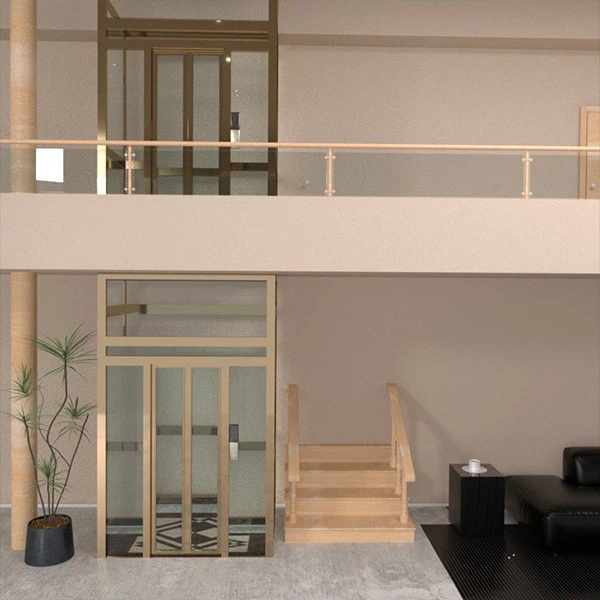

- Smoother Ride: A vibration - free elevator provides a more comfortable and enjoyable ride for the users. You won't have to worry about feeling jittery or uncomfortable during the ascent or descent.
- Longer Lifespan: By reducing vibrations, you can extend the lifespan of your elevator components. Less vibration means less stress on the parts, which can reduce the frequency of component replacements.
- Quieter Operation: Vibrations often produce noise. By reducing vibrations, you can also make your elevator quieter, which is especially important in a home environment.
Conclusion
Reducing vibrations in a DIY home elevator is essential for a smooth, comfortable, and long - lasting operation. By using high - quality components, ensuring proper installation, balancing the load, using vibration - dampening materials, and performing regular maintenance, you can significantly reduce vibrations in your elevator.
If you're interested in purchasing a DIY home elevator or need more information about vibration reduction methods, feel free to contact us. We're here to help you with all your elevator needs and ensure that you get the best possible elevator experience.
References
- "Elevator Installation and Maintenance Guide", Industry Standard Publication
- "Vibration Analysis in Mechanical Systems", Engineering Research Journal
