

As a supplier of traction home elevators, I've had the privilege of witnessing the incredible advancements in elevator technology and the diverse needs of homeowners. One crucial component that often goes unnoticed but plays a vital role in the safe and efficient operation of traction home elevators is the rope. In this blog post, I'll delve into the different types of ropes used in traction home elevators, their characteristics, and how they contribute to the overall performance of the elevator.
Steel Wire Ropes
Steel wire ropes are the most commonly used type of ropes in traction home elevators. They are known for their high strength, durability, and resistance to wear and tear. These ropes are typically made up of multiple strands of steel wires twisted together to form a single rope. The number of strands and wires in each strand can vary depending on the specific application and load requirements of the elevator.
One of the key advantages of steel wire ropes is their ability to withstand high tension forces. This makes them ideal for use in traction home elevators, where they are responsible for lifting and lowering the elevator car. Steel wire ropes also have excellent fatigue resistance, which means they can withstand repeated bending and flexing without breaking or losing their strength.
Another benefit of steel wire ropes is their relatively low cost compared to other types of ropes. This makes them a cost-effective option for homeowners who are looking to install a traction home elevator without breaking the bank. However, it's important to note that the cost of steel wire ropes can vary depending on the quality, size, and length of the rope.
In addition to their strength and durability, steel wire ropes also require regular maintenance to ensure their continued performance. This includes lubrication, inspection, and replacement of worn or damaged ropes. By following a regular maintenance schedule, homeowners can extend the lifespan of their steel wire ropes and ensure the safe and reliable operation of their traction home elevator.
Synthetic Fiber Ropes
Synthetic fiber ropes are another type of ropes that are increasingly being used in traction home elevators. These ropes are made from high-strength synthetic materials such as nylon, polyester, and aramid fibers. Synthetic fiber ropes offer several advantages over steel wire ropes, including lower weight, higher flexibility, and better resistance to corrosion.
One of the main benefits of synthetic fiber ropes is their lightweight design. This makes them easier to handle and install, especially in smaller or more confined spaces. Synthetic fiber ropes also have a higher strength-to-weight ratio than steel wire ropes, which means they can support the same load with less weight. This can result in energy savings and reduced wear and tear on the elevator components.
Another advantage of synthetic fiber ropes is their flexibility. They can bend and flex more easily than steel wire ropes, which makes them ideal for use in elevators with complex or curved paths. Synthetic fiber ropes also have a lower coefficient of friction than steel wire ropes, which means they can reduce the amount of energy required to move the elevator car.
In addition to their lightweight and flexibility, synthetic fiber ropes also have excellent resistance to corrosion and chemicals. This makes them a good choice for use in elevators that are installed in harsh or corrosive environments, such as near the ocean or in industrial settings. However, it's important to note that synthetic fiber ropes can be more expensive than steel wire ropes, and they may require more frequent replacement due to their lower abrasion resistance.
Flat Belts
Flat belts are a relatively new type of ropes that are being used in some traction home elevators. These belts are made from a combination of synthetic materials and steel cords, and they offer several advantages over traditional steel wire ropes and synthetic fiber ropes.
One of the main benefits of flat belts is their compact design. They are much thinner and lighter than steel wire ropes, which means they can be used in elevators with smaller hoistways or limited space. Flat belts also have a higher flexibility than steel wire ropes, which makes them ideal for use in elevators with complex or curved paths.
Another advantage of flat belts is their low noise and vibration levels. They operate more quietly than steel wire ropes, which can make them a good choice for use in residential buildings or other noise-sensitive environments. Flat belts also have a lower coefficient of friction than steel wire ropes, which means they can reduce the amount of energy required to move the elevator car.
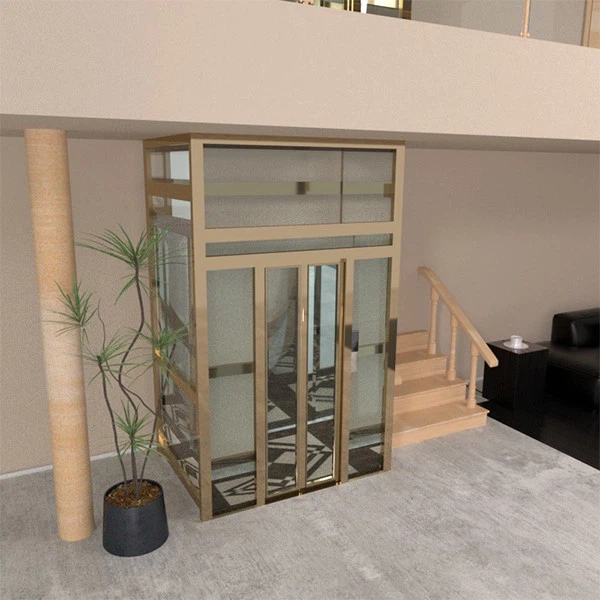

In addition to their compact design and low noise levels, flat belts also offer excellent traction and grip. They are designed to provide a smooth and stable ride, even at high speeds. Flat belts also have a longer lifespan than steel wire ropes, which means they can reduce the maintenance and replacement costs of the elevator.
Conclusion
In conclusion, the type of rope used in a traction home elevator can have a significant impact on its performance, safety, and reliability. Steel wire ropes are the most commonly used type of ropes due to their high strength, durability, and low cost. Synthetic fiber ropes offer several advantages over steel wire ropes, including lower weight, higher flexibility, and better resistance to corrosion. Flat belts are a relatively new type of ropes that offer a compact design, low noise levels, and excellent traction and grip.
As a supplier of traction home elevators, I understand the importance of choosing the right type of rope for your elevator. That's why I offer a wide range of ropes and belts to meet the specific needs and requirements of my customers. Whether you're looking for a traditional steel wire rope, a lightweight synthetic fiber rope, or a compact flat belt, I can help you find the perfect solution for your traction home elevator.
If you're interested in learning more about the different types of ropes used in traction home elevators or if you're ready to purchase an elevator for your home, please don't hesitate to contact me. I'd be happy to answer any questions you may have and provide you with a free consultation and quote. You can also visit our website to learn more about our Diy Home Elevator, Best Shaftless Home Elevator, and Home Lift Elevator products.
References
- ASME A17.1 - Safety Code for Elevators and Escalators
- ISO 4309 - Cranes - Wire ropes - Care, maintenance, inspection and discard
- CIBSE Guide D - Transportation Systems in Buildings
