

As a supplier of Homeuse Personal Lift, I often receive inquiries from property owners and landlords about the feasibility of installing a home lift in their rental properties. This blog post aims to provide a comprehensive analysis of this topic, covering the legal, practical, and financial aspects involved.
Legal Considerations
Building Codes and Regulations
Before installing a home lift in a rental property, it is crucial to ensure compliance with local building codes and regulations. These codes vary from region to region and may include requirements related to safety features, accessibility standards, and installation procedures. For example, in some areas, home lifts must meet specific fire safety codes, such as having fire-resistant materials and emergency exit provisions.
Landlords should consult with local building authorities or a professional elevator installer to obtain the necessary permits and approvals. Failure to comply with these regulations can result in fines, legal liabilities, and even the requirement to remove the lift.
Tenant Rights and Accessibility Laws
In many countries, there are laws that protect the rights of tenants with disabilities to have equal access to housing. Installing a home lift in a rental property can be a way to meet these accessibility requirements and provide a more inclusive living environment.
However, landlords must also be aware of their obligations under these laws. For instance, they may be required to make reasonable accommodations for tenants with disabilities, such as providing a lift that is easily accessible and operable. Additionally, landlords should ensure that the lift does not cause any undue hardship or disruption to other tenants.
Practical Considerations
Space Requirements
One of the primary considerations when installing a home lift in a rental property is the available space. Home lifts come in various sizes and configurations, and it is essential to choose a model that fits the dimensions of the property.
In addition to the physical space required for the lift itself, landlords must also consider the space needed for the lift shaft, machine room, and any associated equipment. This may require modifications to the existing structure of the building, such as adding a new wall or removing a partition.
Maintenance and Repairs
Like any mechanical system, home lifts require regular maintenance and occasional repairs to ensure safe and reliable operation. Landlords should factor in the cost of maintenance and repairs when considering installing a lift in a rental property.
It is recommended to hire a professional elevator maintenance company to perform routine inspections and maintenance tasks. This can help prevent breakdowns and extend the lifespan of the lift. Additionally, landlords should have a contingency plan in place for emergency repairs to minimize disruption to tenants.
Tenant Acceptance
Another practical consideration is the acceptance of the home lift by tenants. While a lift can provide added convenience and accessibility, some tenants may have concerns about privacy, noise, or safety.
Landlords should communicate clearly with tenants about the installation and operation of the lift and address any concerns they may have. It may also be helpful to provide training on how to use the lift safely and properly.
Financial Considerations
Installation Costs
The cost of installing a home lift in a rental property can vary depending on several factors, such as the type of lift, the size of the property, and the complexity of the installation. On average, the cost of a basic home lift can range from $15,000 to $30,000, while more advanced models can cost upwards of $50,000.

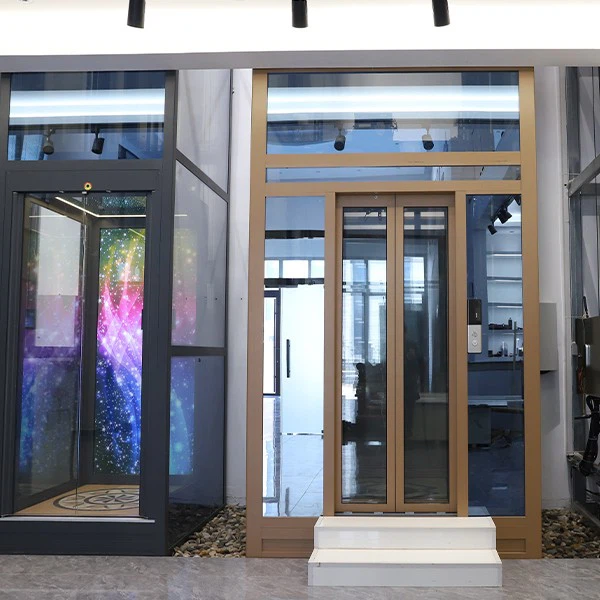
In addition to the purchase price of the lift, landlords must also factor in the cost of installation, which may include structural modifications, electrical work, and plumbing. It is recommended to obtain multiple quotes from reputable elevator installers to ensure a competitive price.
Operating Costs
Once the lift is installed, there are ongoing operating costs to consider, such as electricity, maintenance, and insurance. The cost of electricity will depend on the frequency of use and the efficiency of the lift. Maintenance costs can vary depending on the type of lift and the level of service required.
Landlords should also ensure that the lift is properly insured to protect against any potential liability claims. This may include general liability insurance, property insurance, and elevator-specific insurance.
Rental Income
Installing a home lift in a rental property can potentially increase the rental income. Tenants may be willing to pay a higher rent for a property that offers the convenience and accessibility of a lift, especially if they have mobility issues or require easy access to multiple floors.
However, landlords should carefully consider the market demand for a lift in their area and the potential increase in rental income before making a decision. It is also important to ensure that the additional rental income justifies the cost of installing and operating the lift.
Conclusion
In conclusion, installing a Homeuse Personal Lift in a rental property can be a viable option for landlords who want to provide a more inclusive and convenient living environment for their tenants. However, it is important to carefully consider the legal, practical, and financial aspects involved before making a decision.
Landlords should consult with local building authorities, elevator installers, and legal professionals to ensure compliance with all relevant laws and regulations. They should also factor in the cost of installation, maintenance, and repairs, as well as the potential increase in rental income.
If you are a landlord considering installing a home lift in your rental property, I encourage you to contact us to learn more about our Homeuse Personal Lift products and services. Our team of experts can provide you with a free consultation and help you determine the best solution for your specific needs. We also offer a range of Home Elevator Kit and Hydraulic Residential Elevator options to suit different budgets and requirements.
Don't miss out on the opportunity to enhance the value and appeal of your rental property with a home lift. Contact us today to start the conversation and explore your options.
References
- International Building Code (IBC)
- Americans with Disabilities Act (ADA)
- National Fire Protection Association (NFPA) codes
- Elevator industry standards and guidelines
