

Can a Genie Boom Lift Be Used in Windy Conditions?
As a reputable supplier of Genie boom lifts, I often encounter questions from customers regarding the safe operation of these machines in various environmental conditions, especially windy situations. This blog post aims to provide a comprehensive analysis of whether a Genie boom lift can be used in windy conditions, the factors to consider, and the necessary precautions to ensure safety.

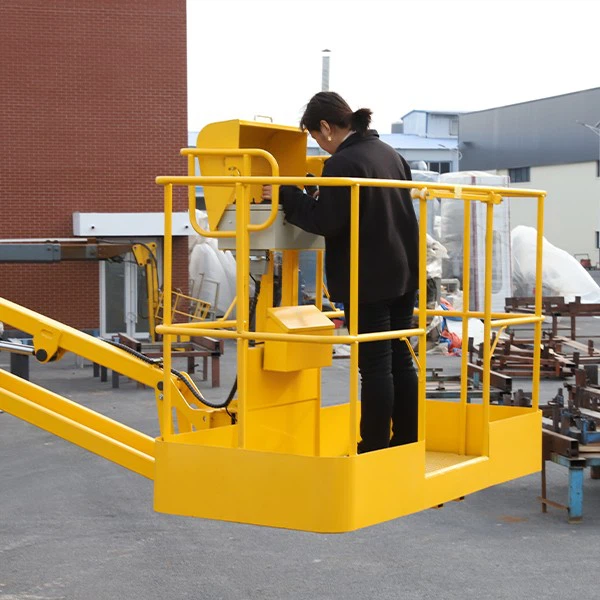
Understanding the Impact of Wind on Boom Lifts
Wind can significantly affect the stability and performance of a boom lift. When wind acts on the extended boom and the platform, it creates forces that can cause the lift to sway, tip over, or become difficult to control. The higher the wind speed and the longer the boom extension, the greater the risk.
Genie boom lifts are designed with safety in mind, but they have their limits when it comes to wind resistance. The manufacturer provides wind speed guidelines for each model, which are based on extensive testing and engineering calculations. These guidelines specify the maximum wind speed at which the lift can be safely operated under normal conditions.
Factors Affecting Wind Resistance
Several factors influence the wind resistance of a Genie boom lift:
- Model and Design: Different models of Genie boom lifts have varying wind resistance capabilities. Larger and more robust models generally have better stability in windy conditions compared to smaller, more lightweight ones. For example, the All Terrain Boom Lift is designed to handle rough terrains and may have enhanced wind resistance features.
- Boom Extension: The longer the boom is extended, the more exposed it is to the wind, increasing the risk of instability. As the boom reaches its maximum height and outreach, the wind forces acting on it become more significant.
- Load Capacity: The weight of the load on the platform also affects the lift's stability. A heavier load can make the lift more stable in windy conditions, but it also increases the overall stress on the machine.
- Surface Conditions: The type of surface on which the boom lift is operating can impact its stability. A level and firm surface provides a better base for the lift, reducing the risk of tipping. Soft or uneven surfaces can make the lift more susceptible to wind-induced movement.
Manufacturer's Wind Speed Guidelines
Genie provides wind speed guidelines for each of its boom lift models. These guidelines are typically based on the maximum wind speed at which the lift can be safely operated with the boom fully extended and a specific load on the platform. It is crucial to follow these guidelines to ensure the safety of the operator and anyone in the vicinity of the lift.
For example, some Genie boom lift models may have a maximum allowable wind speed of 28 mph (45 km/h) when the boom is fully extended. If the wind speed exceeds this limit, it is recommended to stop using the lift and secure it properly.
Precautions for Using a Genie Boom Lift in Windy Conditions
If you need to use a Genie boom lift in windy conditions, the following precautions should be taken:
- Check the Weather Forecast: Before starting work, check the weather forecast to determine the expected wind speed and direction. Avoid using the lift if high winds are predicted.
- Inspect the Lift: Conduct a thorough pre - operation inspection of the boom lift to ensure that it is in good working condition. Check for any signs of damage or wear that could affect its stability.
- Reduce Boom Extension: If possible, keep the boom extension to a minimum in windy conditions. Shorter boom lengths reduce the surface area exposed to the wind and improve the lift's stability.
- Secure the Load: Make sure that any load on the platform is properly secured to prevent it from shifting or being blown off by the wind.
- Use Outriggers: If the boom lift is equipped with outriggers, ensure that they are fully extended and properly positioned on a stable surface. Outriggers provide additional stability and help prevent tipping.
- Monitor the Wind: Continuously monitor the wind speed and direction during operation. If the wind speed approaches or exceeds the manufacturer's recommended limit, stop using the lift immediately.
- Train the Operator: Ensure that the operator is properly trained in operating the boom lift in windy conditions. They should be aware of the risks and know how to take appropriate safety measures.
Different Types of Genie Boom Lifts and Windy Conditions
Genie offers a variety of boom lift types, each with its own characteristics and suitability for windy conditions:
- All Terrain Boom Lift: These lifts are designed for use on rough and uneven terrains. They often have larger base frames and more robust construction, which can provide better stability in windy conditions. However, it is still important to follow the manufacturer's wind speed guidelines.
- Self - Mobile Arm Lift: Self - mobile arm lifts are typically more compact and lightweight. While they are easy to maneuver, they may be more sensitive to wind compared to larger models. Operators should exercise extra caution when using these lifts in windy conditions.
- Towable Boom Lift: Towable boom lifts are designed to be easily transported from one location to another. They may have a smaller footprint and less stability compared to other types of boom lifts. In windy conditions, it is essential to ensure that the lift is properly secured and leveled before operation.
Conclusion
In conclusion, while Genie boom lifts are designed to be safe and reliable, using them in windy conditions requires careful consideration and adherence to safety guidelines. By understanding the factors that affect wind resistance, following the manufacturer's wind speed recommendations, and taking appropriate precautions, it is possible to use a Genie boom lift safely in moderate wind conditions.
However, if the wind speed is too high, it is always better to err on the side of caution and avoid using the lift to prevent accidents and injuries.
If you are in the market for a Genie boom lift or have any questions about using these machines in windy conditions, please feel free to contact us for more information. Our team of experts is ready to assist you in selecting the right boom lift for your needs and providing you with the necessary guidance on safe operation.
References
- Genie Product Manuals
- Occupational Safety and Health Administration (OSHA) Guidelines for Aerial Lifts
- Engineering Studies on Wind Effects on Aerial Work Platforms
