

Are there any government regulations for home lift elevators? As a supplier in the home lift elevator game, I often get asked this question. It's a valid concern, and understanding these regulations is crucial for both us sellers and the homeowners looking to install a lift.
Let's start off by saying that, yes, there are indeed government regulations for home lift elevators. These regulations exist to ensure the safety and well - being of the people using them. Different countries, and even different states or regions within a country, can have their own set of rules.
In the United States, for example, the Americans with Disabilities Act (ADA) has some standards that can sometimes apply to home elevators, especially if the home is being designed to be accessible for people with disabilities. The ADA has requirements for things like elevator door width, clear floor space inside the elevator, and the height of control buttons. Homeowners who want their homes to be fully compliant with accessibility standards need to consider these ADA regulations when they're looking at Built In Home Elevator.
Then there's the ASME A17.1 standard. This is a set of safety codes for elevators, escalators, and moving walks in the United States. It covers a wide range of technical details, from the strength of the cables used in the elevator to the emergency braking systems. Home elevator manufacturers are generally required to adhere to this standard when they're producing units. As a supplier, I always make sure that the products I offer meet or exceed these industry - recognized safety codes. It's not only the law, but it also gives my customers peace of mind knowing that the elevator they're buying is safe.
In Europe, the situation is a bit different. The European Union has its own set of regulations under the Machinery Directive. This directive applies to home elevators as well. It focuses on aspects like mechanical safety, electrical safety, and the overall design of the elevator to ensure it can operate safely. There are also EN standards, such as EN 81 - 41, which specifically deal with small home elevators. These standards cover things like the maximum speed of the elevator, the load - carrying capacity, and the requirements for the elevator shaft (if there is one). If you're in the market for a Best Home Elevator, and you're in Europe, you need to make sure the product complies with these EU standards.
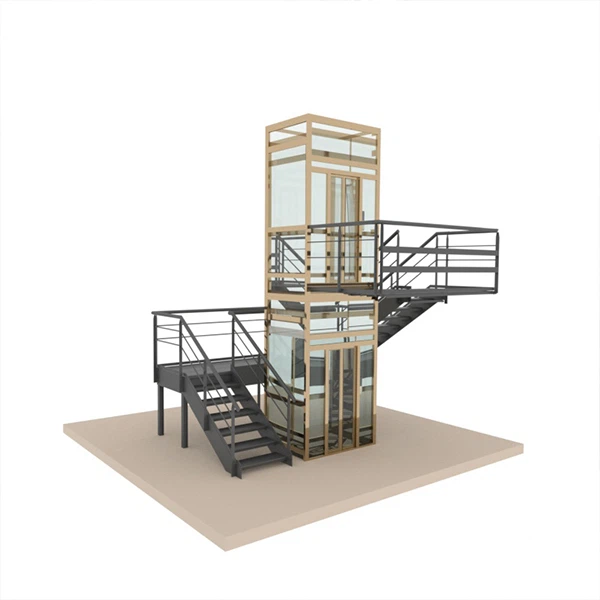
One interesting type of home elevator is the shaftless home elevator. These have become quite popular in recent years because they're more flexible in terms of installation and can be a great option for homes with limited space. But they also have their own set of regulations. For Best Shaftless Home Elevator, there are specific safety requirements related to the lack of a traditional shaft. For example, there need to be proper guarding around the elevator to prevent people from accidentally falling into the elevator's path.
Now, you might be wondering how all these regulations affect you as a homeowner. Well, first of all, they ensure that the elevator you buy is safe. You don't want to install an elevator in your home that could potentially put you or your family at risk. Second, if you ever decide to sell your home, having a code - compliant elevator can add value. It shows potential buyers that you've taken the safety and quality of your home seriously.

As a supplier, I play a key role in all of this. I keep myself updated on the latest regulations in different regions so that I can offer the right products to my customers. I work with reputable manufacturers who are committed to producing high - quality, compliant home elevators. When I'm talking to a customer, I always go through the relevant regulations with them. I explain what it means for their specific situation and how we can ensure that the elevator installation is completely legal and safe.
I also understand that dealing with regulations can be a bit overwhelming for homeowners. That's why I'm here to offer my expertise. I can help you navigate through all the rules and paperwork. Whether it's getting the necessary permits for the installation or making sure the elevator meets all the local codes, I'm on your side.
So, if you're thinking about installing a home lift elevator, don't let the regulations scare you off. Instead, see them as a good thing. They're there to protect you and your investment. And as a professional home lift elevator supplier, I'm here to make the whole process as smooth as possible for you.
If you're interested in learning more about our home lift elevator products, or if you want to discuss how we can make sure the installation complies with all the relevant regulations, don't hesitate to reach out. We're more than happy to have a conversation with you about your specific needs and start the process of finding the perfect home elevator for your home.
References:
- Americans with Disabilities Act (ADA) official guides
- ASME A17.1 safety standard documents
- European Union Machinery Directive information
- EN 81 - 41 standard details
